
爱上超模
公文包里造电脑!树莓派官方DIY教程免费看_我的网站

A |

China and India have considerable scope for cooperation in the field of artificial intelligence (AI), as their AI capabilities are complementary in many respects, a senior Indian investor told the Global Times in an exclusive interview.
There is considerable scope for AI cooperation in areas that address common global challenges, including healthcare, education, agriculture, climate resilience, industrial productivity and scientific research, always within the policy frameworks established by the respective governments and international perspectives on responsible and secure AI, Mahendra Swarup, founder of VG Capital and former president of the Indian Venture and Alternate Capital Association, told the Global Times on Wednesday.
AI is likely to become one of the defining technologies of this century. India's strengths lie in software development, engineering talent, digital public infrastructure and entrepreneurial innovation. China has developed significant capabilities in AI applications, hardware, manufacturing and large-scale deployment. "These capabilities are complementary in many respects," Swarup said.
The veteran on the front line of India's venture capital investment sector made the remarks amid improving bilateral ties and a certain level of liberalization of Chinese investments in India.
Chinese investors have historically contributed to the growth of several successful Indian companies, especially start-ups. While investment activity has been moderated by regulatory developments over the past few years, there has always been underlying interest in the Indian market because of its long-term fundamentals, Swarup said.
"If the recent improvement in bilateral relations leads to greater regulatory clarity and business confidence, the Chinese investors will once again evaluate opportunities in India, although the general sentiment is one of cautious optimism," said Swarup.
Amid positive momentum in bilateral relations, Swarup noted rising opportunities for entrepreneurs from the two countries to engage in practical cooperation.
There are several areas where entrepreneurs from India and China could potentially complement each other's strengths, subject to the regulatory frameworks of different sectors in both countries, the investor said, highlighting areas including healthcare technologies, clean energy, electric mobility, advanced manufacturing, climate technologies, industrial automation, logistics and supply-chain innovation.
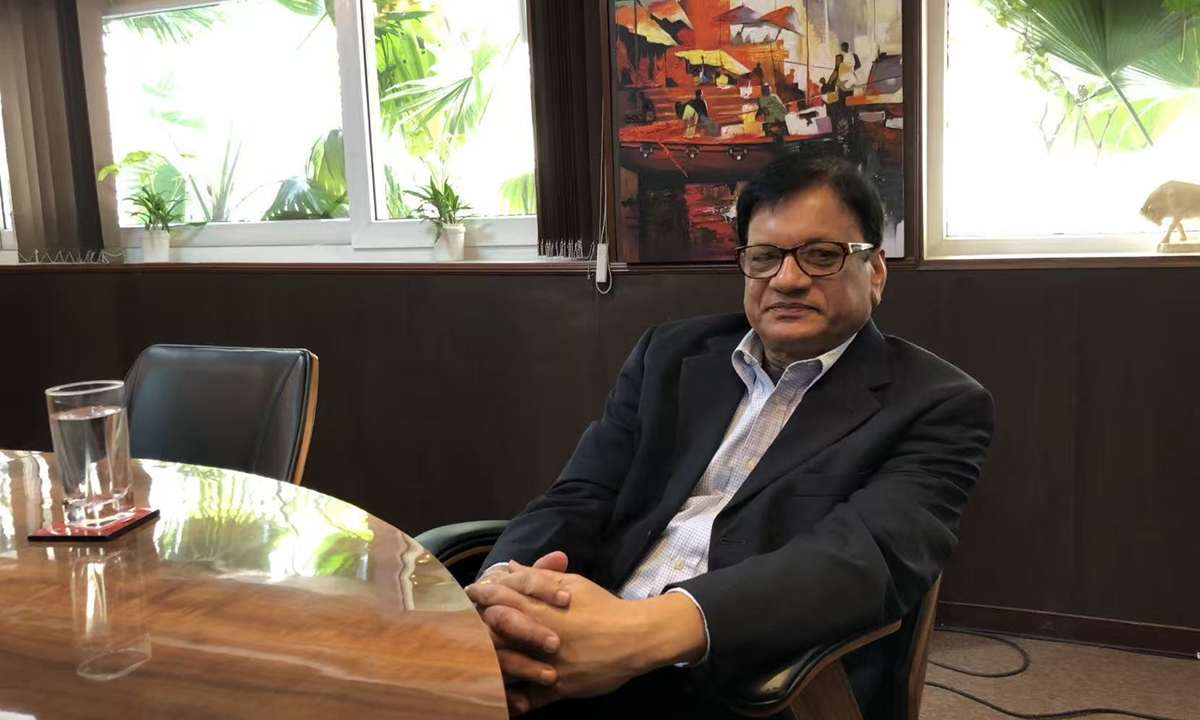
"In whichever sector the complementary strengths of both China and India can be brought together responsibly, they can create value not only for both countries but also for global markets," said Swarup.
India has recently shown signs of easing some long-standing restrictions on trade and investment with China, with Chinese experts saying that the move reflects the country's growing recognition of China's importance to its economic development, and a desire to create a more favorable environment for improving bilateral ties.
There has been a gradual policy adjustment, including easing restrictions on foreign direct investment (FDI) in e-commerce, allowing FDI from companies with Chinese ownership, The Hindu reported on August 1.
With India set to host a BRICS summit this year, Swarup also said that Indian and Chinese companies can work together to promote the interests of developing countries.
India and China are both major economies with significant experience in addressing the challenges of development at scale. Although each country has followed its own development path, there are areas where companies from both nations can contribute meaningfully to broader development across Asia, Africa and other emerging markets, Swarup noted.
There is considerable potential for collaboration in affordable healthcare, digital financial inclusion, renewable energy, agricultural technologies, education technology, infrastructure, supply-chain development and support for small and medium-sized enterprises. These are areas where scalable and affordable solutions can have a significant impact on improving livelihoods, the veteran said.
Partnerships that combine technology, entrepreneurship and long-term investment can help create solutions that are both commercially sustainable and socially impactful. "As two of the largest economies in the Global South, India and China have the opportunity to contribute positively to sustainable development through innovation, responsible investment and constructive commercial engagement," Swarup said.
。 8月25日消息,树莓派发布了一份免费的官方指南,手把手教大家用现成组件在防护箱里组装一台便携式的赛博朋克工作站。

B |
这种自制便携电脑在创客圈被称为赛博甲板(Cyberdeck),近年来越来越火。 它的形态五花八门,有人用公文包、木盒装,还有人塞进老式口袋电脑甚至锡罐里,树莓派自己选了一个鹈鹕风格的坚固防护箱,防风雨、耐造还好带。
C | 官方示例的配置包括一台树莓派5、一块7英寸触摸屏、蓝牙键盘、扬声器、USB音频系统、电池,以及128GB闪存盘和一颗RTC电池(用于关机后保持时钟运行)。 按照官方说法,任何一台赛博甲板都由四部分组成:电脑本身、外围设备、电源系统和机箱。

D | 树莓派建议用单板计算机方案,功耗比传统PC平台低得多,存储可以从SD卡一路扩展到M.2 NVMe固态硬盘。 想折腾的话还能加屏幕、LED灯、传感器甚至软件定义无线电,按自己的任务需求定制。 电源是重点,树莓派5在USB接口满载时功耗可达25W,触摸屏全亮度约3W,官方提醒装机前先算清所有组件的总功率再选电池。

E |
动手顺序也有讲究:先测试所有组件,用纸板规划内部布局,再用3D打印或激光切割做支架,过程中可能需要焊接。 完整指南刊登在《树莓派官方杂志》第168期,可免费在线阅读。
【本文结束】如需转载请务必注明出处:
责任编辑:知微
文章内容举报
。Current article:http://724xs.runtunpaixufenjuduishuang.pics/news/20260826_83108.html
Published on:03:41:08


1
国足上次击败当届世界杯参赛队,还是2010年2
皮尔斯:把詹姆斯送出克利夫兰的感觉很好 他一直无法突破绿军3
商汤WAIC发布交付级AI全栈:模型、算力、机器人三线并进4
Madras High Court Puts Balakrishna's Akhanda 2 Release on Hold5
江西九江市机关事务管理局原党组书记、局长石振华被“双开”6
中国石化公布财报:2026年上半年净利润256.27亿元 同比增长19.3%7
桐庐高速服务区重卡充电站启用 至2028年杭州将建设667个重卡充电桩8
实跑784公里 达成率93.9% 小米YU7续航稳拿冠/季军9
海南州:打造“新能源+算力”双向赋能特色产业集群10
彻底完了!正式转卖股权!佩总恐下课!怒砸4.46亿,东契奇天塌了!11
「検討しているかも」ドジャース、佐々木朗希放出の新たなトレード説が浮上!? 米メディア「有力な選択肢と」12
2026 十大高返利 APP 长期实测榜单,网购省钱神器避坑指南13
5年翻了3倍!森林狼卖出联盟第四高价,370亿大佬购入,联盟变了14
Omdia:印度智能手机出货量 2026Q2 同比下降 13% 至 3390 万部15
China In Photos: China's homegrown C919 aircraft completes 1st int'l commercial flight
- 随机推荐
1
特朗普现身世界杯决赛看台2
WAIC观察|从超节点到算力网、太空算力,谁能彻底解决算力紧缺问题?3
Italy's new PM, gov't sworn in4
【初心之旅】以学促干谱新篇, 砥砺奋进新征程–记杭州市文澜幼儿园党支部12月固定日主题活动5
2026北疆秋季旅游攻略:核心景点推荐及喀纳斯深度游玩路线住宿指南6
Rohingya repatriation: Yet to get any good news from China, says Momen7
巴黎官方:登贝莱未来几天将休息一段时间,下周一回到球队合练中8
我驻泰使馆确认一中国公民在泰遭绑架 目前已得到妥善安置9
Economic warfare and maximum pressure only further fuel conflicts, FM spokesperson responds to Bessent’s global warning on Iran financial ties10
热议中国U18男篮惜败澳大利亚:裁判连续抢戏惹争议 媒体人评论一边倒11
烧了7天还未扑灭 加州山火起因究竟是什么?线索浮出水面12
Ordinary Life Resumes in Sierra Leone After Violent Protests: What Happened and Why?13
8月24日人民币对美元中间价报6.784114
汇丰香港:遵循监管要求邀请相关中国内地投资者提供自我声明,仅适用于投资服务客户15
奥克兰一女子在Pak'nSave偷东西未遂后大喊大叫,员工被打脸